At MODAG, we are changing the boundaries of science.

Our goal: to diagnose, understand and treat neurodegenerative diseases.

Our team of experts works at the forefront of neurodegeneration research.

At MODAG, we are pushing the boundaries of science to better understand, diagnose and treat neurodegenerative diseases.“

Our focus is on the
molecular basis of synucleinopathies

All common neurodegenerative diseases are characterized by protein aggregation (protein clumping). A key feature of synucleinopathies such as Parkinson’s disease and multisystem atrophy (MSA) is the Formation of misfolded and aggregated alpha-synuclein protein (α-synuclein).

Extensive research has shown that aggregated alpha-synuclein causes neurotoxic effects and contributes to disease progression and the spread of pathology in the brain. Small pathological aggregates (oligomers) of alpha-synuclein have been shown to be the most relevant neurotoxic species and are central to the loss of function and death of neurons.

Parkinson’s disease is one of the most common diseases of the central nervous system. It is usually diagnosed between the ages of 50 and 80, with an increasing incidence at an advanced age. Men are affected more frequently than women. Medication and supportive therapies can alleviate motor symptoms, but there is currently no cure.

Parkinson’s disease belongs to the group of synucleinopathies, diseases characterized by the abnormal deposition of alpha-synuclein protein in the central and peripheral nervous system. In Parkinson’s disease, alpha-synuclein accumulates predominantly in neurons, leading to the formation of so-called Lewy bodies and Lewy neurites, which can be detected microscopically in neuropathological examinations.

The typical motor symptoms that affect Parkinson’s disease patients include tremors, muscle stiffness, slowness of movement and postural instability. They are mainly caused by a lack of the neurotransmitter dopamine, which is produced by certain nerve cells in the midbrain. These cells are located in the substantia nigra and show the characteristic deposits of misfolded, aggregated alpha-synuclein in Parkinson’s patients.


Multisystem atrophy (MSA) is a rare neurodegenerative disease from the group of synucleinopathies and is a form of „atypical Parkinson’s syndrome“. Pathologically, it is characterized by abnormal deposits of the protein alpha-synuclein, particularly in glial cells, especially oligodendrocytes and also within certain nerve cells.

Typically, there is a dysfunction of the autonomic nervous system, i.e. disorders of bladder function, erectile function, intestinal mobility or the regulation of blood pressure and body temperature. In addition, Parkinson’s-like symptoms occur, such as slowness of movement and stiffness of the muscles or a disturbance of cerebellar function with progressive loss of balance or speech disorders. Disorders in thinking and memory (cognitive disorders) are rather rare.

In contrast to Parkinson’s disease, the symptoms are usually side-symmetrical and the deterioration process progresses more quickly. Depending on the symptoms, a distinction is made between MSA-P (Parkinson’s-type MSA) with predominantly Parkinson’s symptoms and MSA-C (cerebellar-type MSA) with predominantly cerebellar dysfunction. The two clinical manifestations MSA-P and MSA-C occur in a ratio of three to two.

Around 4-5 out of every 100,000 people suffer from MSA. The average age at the onset of the disease is in the sixth decade of life. Men and women are affected to roughly the same extent and there is no difference in the clinical course of the disease. To date, there is no cure and no specific drug treatment for MSA. The average survival time after diagnosis is six to ten years.

Diagnosis is largely based on clinical examinations and imaging procedures. Brain imaging (cMRI, cCT) may show structural changes in the cerebellum, brainstem or basal ganglia. Unlike many other neurodegenerative diseases, MSA has a few clearly defined features that aid clinical assessment and help to provide a clearer diagnosis for the patient.

The focal points
in our research

Patients & relatives

Our innovative approach is aimed at inhibiting (suppressing) pathological protein aggregates that are central to the pathogenesis (pathogenesis and development) of neurodegenerative diseases. We develop active pharmaceutical ingredients that interact specifically with toxic oligomers and influence their formation or stability.
Patients & relatives

Our research focuses on MSA and related diseases with the aim of developing disease-modifying therapies. We investigate the specificmechanisms of alpha-synuclein aggregation in different cell types and their effects on neurodegeneration.
Patients & relatives

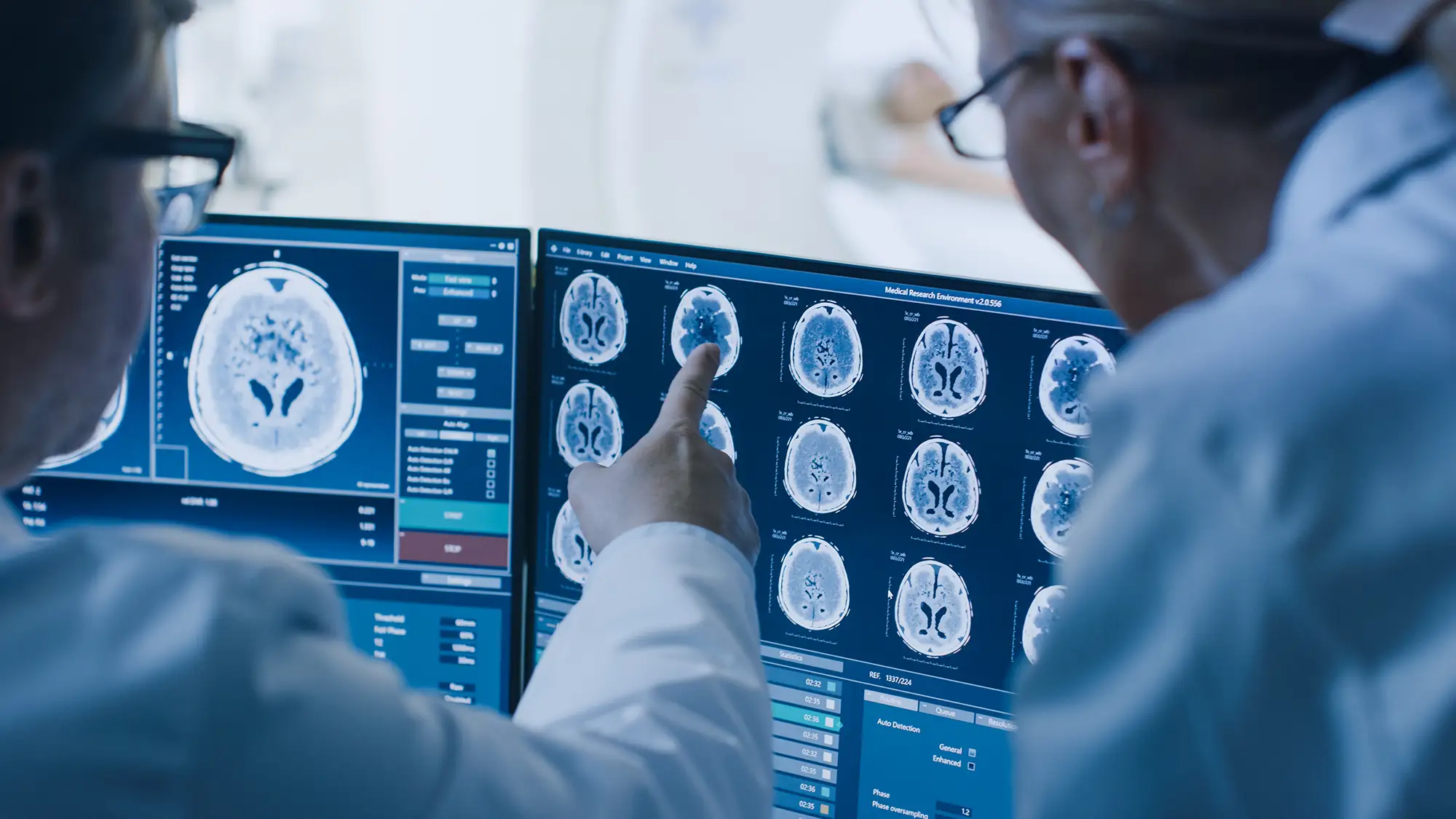
We develop highly sensitive detection methods for the early detection of disease-specific aggregates. These enable faster and more precise diagnosis and therefore potentially earlier therapeutic intervention.

Innovative technologies

SIFT technology

We use single-particle fluorescence technology (SIFT) to identify promising drug candidates. This highly sensitive method detects individual fluorescent molecules and allows protein-protein interactions to be analyzed at the molecular level.

Our diagnostic development program

SAA technology

Aggregated alpha-synuclein protein can be detected using an SAA (Seed Amplification Assay). Very small amounts of aggregated alpha-synuclein accumulate in the spinal fluid of patients – in a concentration that cannot be measured by conventional means. With the help of an SAA, these protein clumps in the patient sample are „fed“ in the laboratory by adding synthetically produced building blocks. The building blocks bind to the patient’s own alpha-synuclein clumps and artificially multiply them. As a result, the patient’s disease-causing proteins are multiplied millions of times and can be detected by binding a specific dye. This is the only way to detect the Parkinson’s disease process directly in the cerebrospinal fluid.

PET tracer

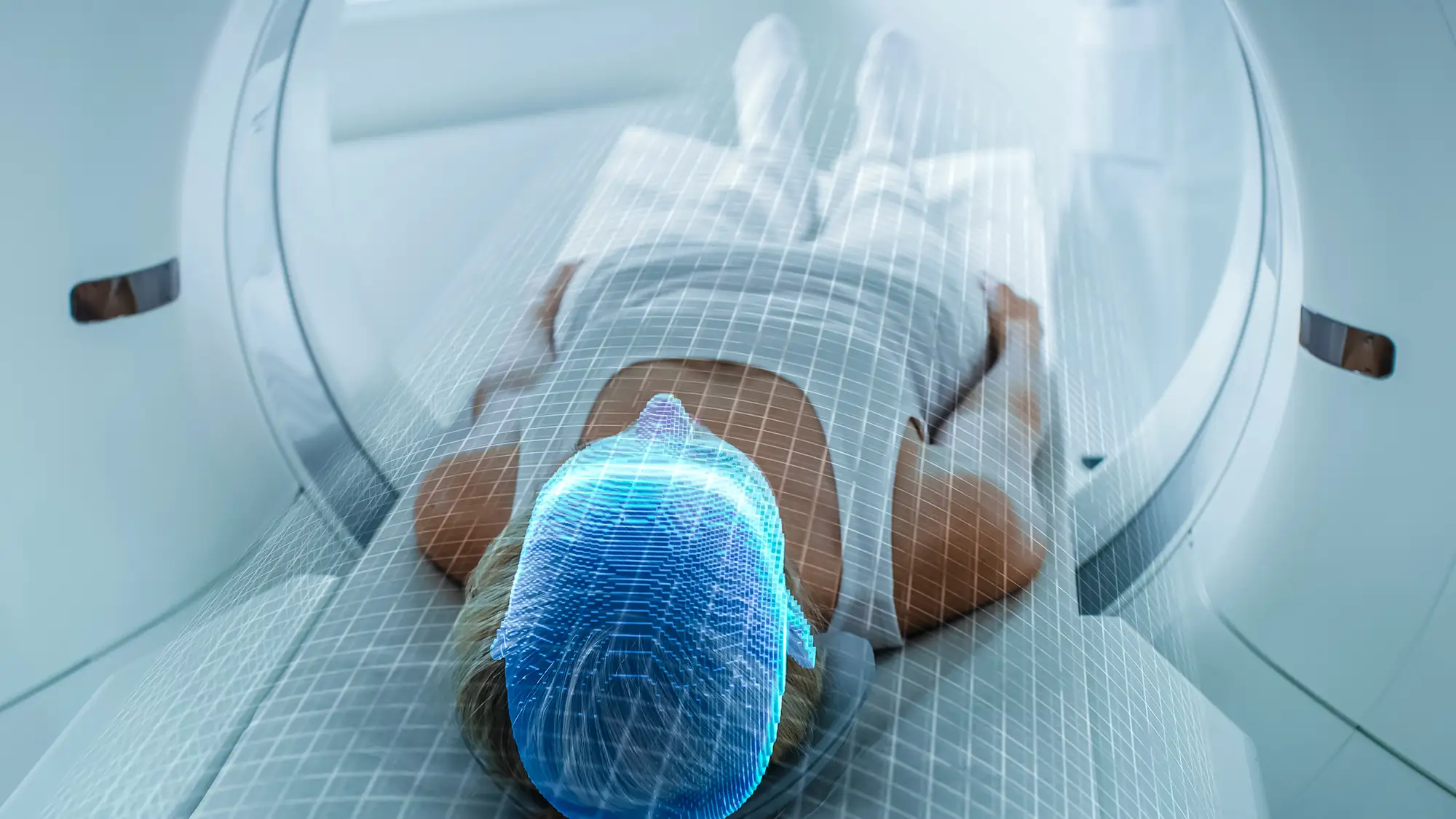
We are working on the development of synuclein-specific PET tracers for precise in vivo diagnostics. This imaging technology could revolutionize the early detection and monitoring of synucleinopathies. A PET tracer is a weakly radioactively labeled substance that is administered to the patient shortly before he or she „enters the tube“, i.e. the scanner, and binds to the disease-causing clumps. The computer localizes the PET tracer and the alpha-synuclein deposits become visible to the doctor.

MODAG cooperates with leading research institutions in the USA and Europe in order to utilize synergies and drive innovation.

Our most important partners include

Ludwig-Maximilians-University Munich

One of the most renowned universities in Germany, which supports us in basic research and the development of new therapeutic approaches.

Max Planck Institute for Biophysical Chemistry Göttingen

This institute contributes its expertise in structural biology and NMR spectroscopy in order to understand the molecular mechanisms of our active ingredients.

Eberhard Karls University of Tübingen

This renowned research institution supports us with its expertise in clinical neurology and biomarker research, particularly in the development of alpha-synuclein PET tracers for innovative diagnostic procedures in Parkinson’s and MSA.

Michael J. Fox Foundation for Parkinson’s Research

Through this cooperation, we receive support in the financing and implementation of research projects to fight Parkinson’s disease.
Bavarian Patent Alliance GmbH

As the central patent exploitation agency, it plays an important role in securing and commercializing our technologies.
Our current research projects

As part of our ongoing efforts to develop innovative solutions for neurodegenerative diseases, MODAG is focusing on several promising research projects that are in various stages of development.

Our work on emrusolmin (anle138b)

Our lead candidate for MSA is currently in clinical phase 2. Preclinical studies showed a significant reduction in alpha-synuclein aggregation and an improvement in motor symptoms in animal models.

Further pipeline projects

We are continuously researching new drug candidates based on our patent portfolio.

Our innovative research approaches at the interface of molecular biology and medicine open up new perspectives in the treatment of neurodegenerative diseases. Through the targeted modulation of pathological protein aggregates, we strive to fundamentally change the course of synucleinopathies such as Parkinson’s disease and MSA. Our work is more than research – it is a promise to patients and their families to relentlessly search for solutions that could improve the lives of millions of people.